
In Kamakura, many temples and shrines hold traditional Setsubun events on Setsubun Day. This time, we introduce the Setsubun events at Tsurugaoka Hachimangu, Hase-dera, and Kamakura-gu. Each venue offers unique and thoughtfully planned ceremonies, allowing visitors to experience the solemn atmosphere of Setsubun while enjoying its festive side as well.
What is Setsubun?
Setsubun means “dividing the seasons” and refers to the day before the beginning of each season in the traditional Japanese calendar: Risshun (spring), Rikka (summer), Risshu (autumn), and Ritto (winter). Among these, the Setsubun before Risshun, typically in early February, is particularly significant and is regarded as an important day to mark the beginning of a new season.
The main feature of Setsubun is the ritual known as “mamemaki” (bean-throwing). During mamemaki, roasted soybeans (called fukumame, or “fortune beans”) are thrown while chanting “Oni wa soto! Fuku wa uchi!” (“Demons out! Fortune in!”). This act symbolizes driving away evil spirits and misfortune while inviting happiness and good fortune. Additionally, depending on the region or shrine, traditional rituals such as Tsuinashiki (demon-chasing ceremony) or Meigenshiki (bowstring-plucking ritual) are performed, allowing participants to experience the deep history and culture of the festival.
In recent years, Setsubun events have been enhanced with fun elements, such as appearances by celebrities and local figures participating in the bean-throwing, as well as the inclusion of prizes with the fukumame. At Kamakura’s temples and shrines, these traditional events are held on a grand scale each year, attracting both tourists and local residents and creating a lively and festive atmosphere.
Recommended Spots and Ways to Enjoy
1. Tsurugaoka Hachimangu Setsubun Festival: Sacred Rituals and a Grand Bean-Throwing Event
Tsurugaoka Hachimangu, one of Kamakura’s most iconic shrines, holds a grand Setsubun festival every year. The event, steeped in history and tradition, offers a unique experience that cannot be found elsewhere.
For safety reasons, participation in the bean-throwing (mamemaki) is limited to the first 1,800 people, and elderly individuals as well as children below elementary school age are not allowed to participate.
For those unable to join the bean-throwing event, Fortune Item Exchange Tickets for elderly individuals and children will be distributed. Please check the official website for details regarding the distribution locations.
【Date and Schedule】
Date: Tuesday, February 3, 2026
Schedule:
1:00 PM: Setsubun Ritual at the Main Hall
Around 1:50 PM: Nargen-shiki (a bowstring-plucking ritual to ward off evil spirits) at the Dance Stage
Around 2:00 PM: Bean-Throwing Ceremony at the Dance Stage
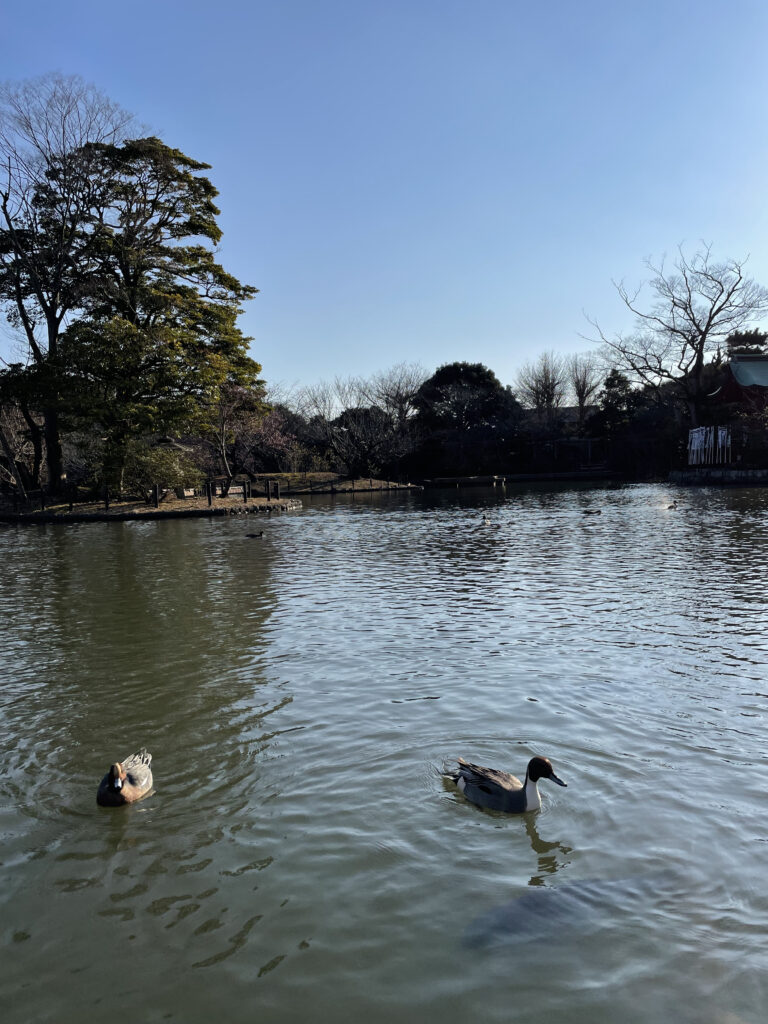
2. Hase-dera Setsubun Event: Star Guests and the Charm of Lucky Beans
At the Setsubun ceremony at Hasedera Temple, well-known guests take part in the traditional bean-throwing ritual, and some of the lucky beans even contain tickets for special prizes.In 2025, the event featured former professional tennis player Ai Sugiyama, actor Ken Ishiguro, and weather forecaster Masamitsu Morita. It is exciting to see which celebrities will join the bean-throwing this year.
The event is held at the Sakura Plaza in the upper temple grounds, where visitors can enjoy the lively atmosphere of Setsubun under the open blue sky.
【Date and Schedule】
Date: Tuesday, February 3, 2026
11:00 AM: Setsubun Ceremony (Sutra chanting and solemn rituals will be held)
11:30 AM: Bean-Throwing Event Begins
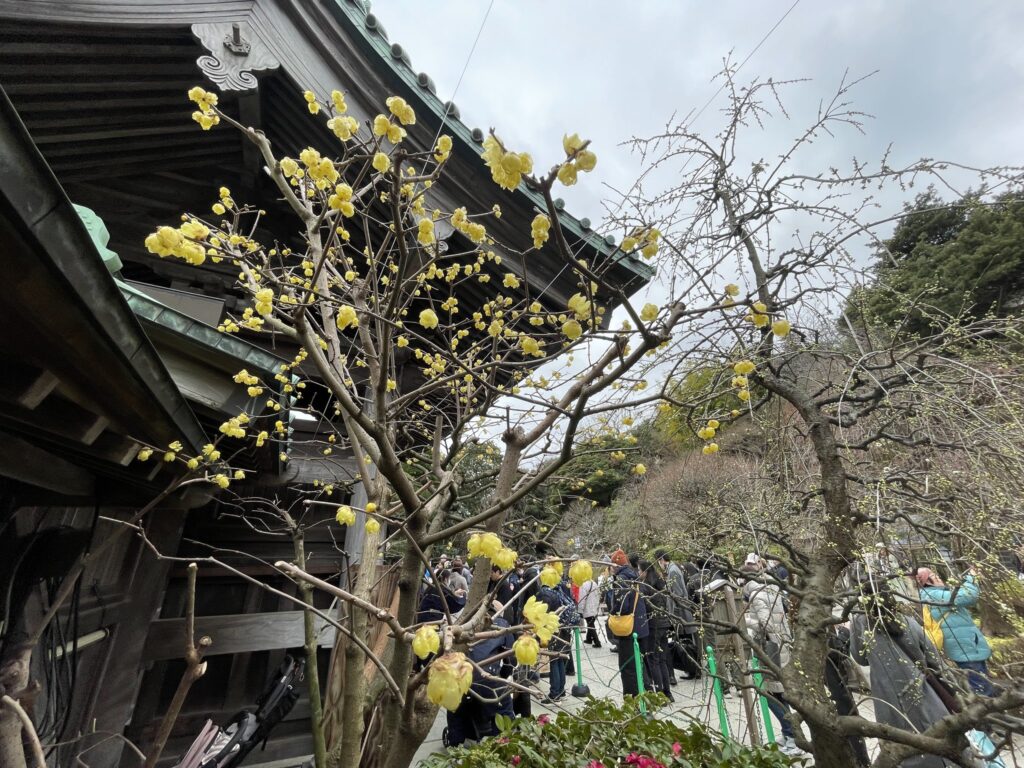
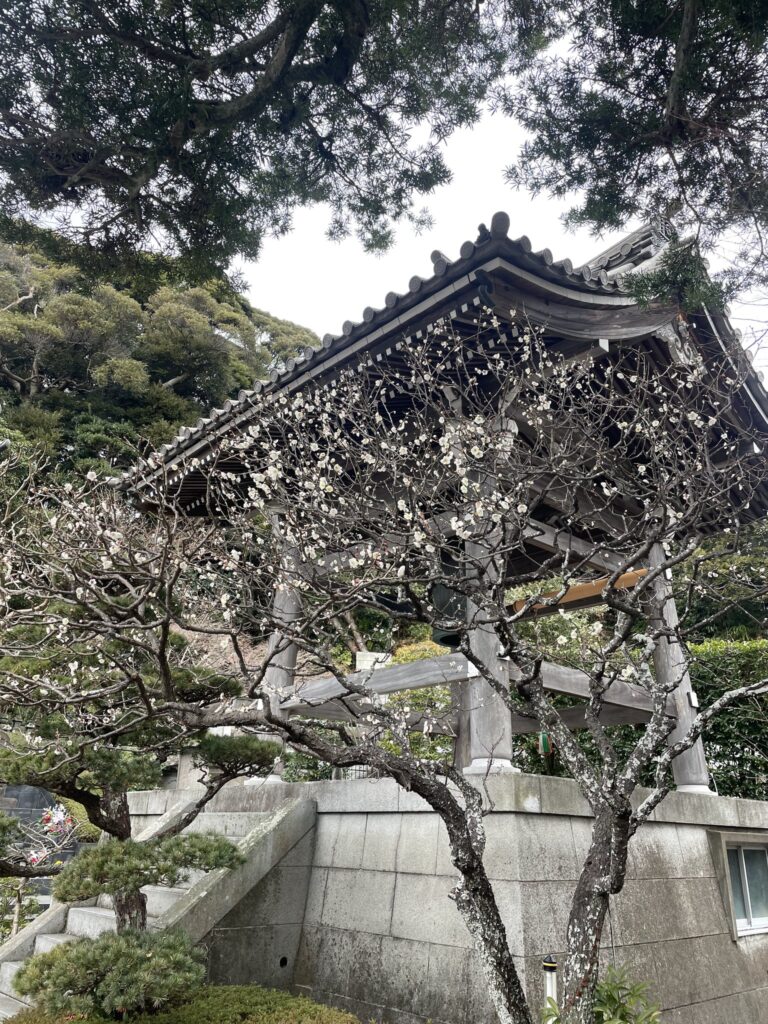
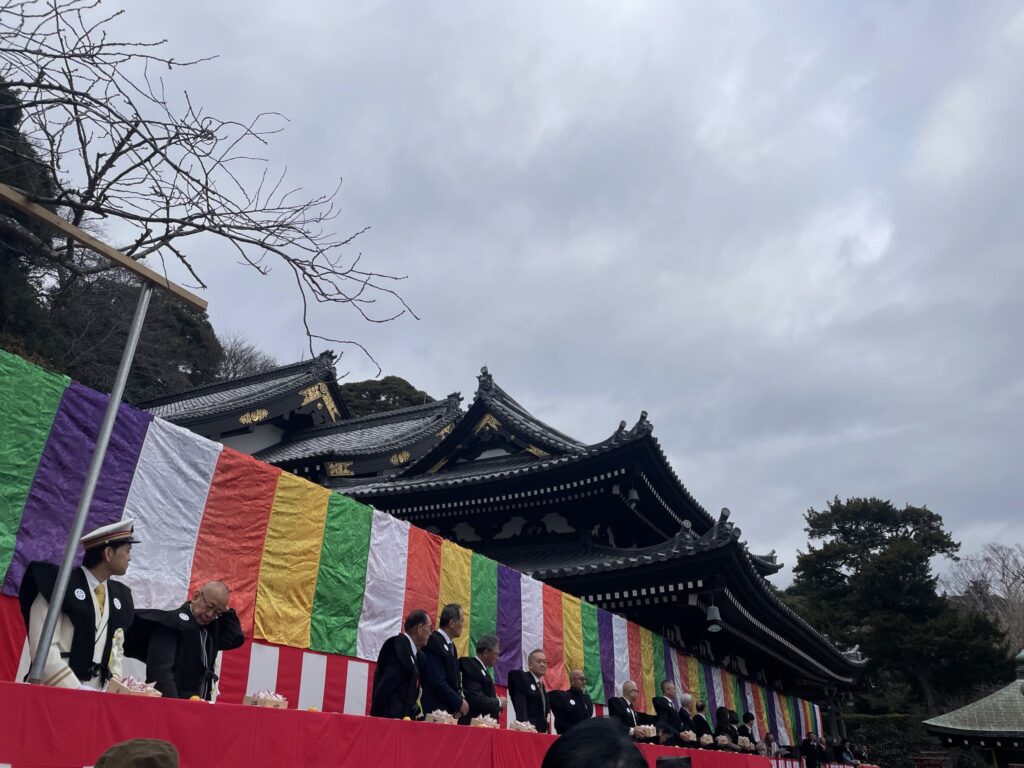
3. Kamakura-gu Setsubun Festival
At the Kamakura-gu Setsubun Festival, traditional rituals are performed alongside a lively bean-throwing (mamemaki) event. Participation prizes are provided, making it a warm and family-friendly occasion. Additionally, for a participation fee of 20,000 yen, attendees have the special opportunity to join the event as a “Fuku-Otoko” (Lucky Man) or “Fuku-Onna” (Lucky Woman) and take part in the bean-throwing ceremony.
【Date and Schedule】
Date: Early February 2026 (To be updated once confirmed)
3:00 PM: Setsubun Ceremony and Oni-Yarai Ritual (Demon-Banishing Ritual)
3:40 PM: Bean-Throwing Event Begins
Tips for Enjoying Setsubun in Kamakura
1.Arrive Early
The Setsubun events at Tsurugaoka Hachimangu, Hase-dera, and Kamakura-gu attract large crowds every year. To secure a good spot, it’s recommended to arrive early.
2.Dress Warmly
February in Kamakura can be quite cold, so make sure to prepare for the weather with scarves, gloves, and other warm clothing.
3.Check Official Information
To ensure a smooth experience, check the official websites for event schedules and participation conditions in advance.
4.Bring a Bag for Carrying Items
To take home the lucky beans (fukumame) and prizes you collect during the events, it’s convenient to bring a small bag or tote with you.
Another Setsubun Event|A Local Bean-Throwing at Goryo Shrine
Setsubun in Kamakura is not only about large-scale events at famous temples and shrines.
At Goryo Shrine, located near Kamakura Rakuan, a community-based Setsubun bean-throwing event will be held on January 31, 2026.
One of the unique features of this event is that local sixth-grade elementary school students take part as the bean throwers. Rather than being aimed at tourists, it is a warm, local celebration watched over by members of the community.
Although the event is modest, it has a nostalgic and peaceful atmosphere, celebrating the growth of the children.
This quieter Setsubun, woven into everyday life in Kamakura, offers a different charm from the lively crowds of major events. If your timing allows, visiting such a local celebration is a wonderful way to experience Kamakura’s culture more deeply.
Make Memories of Setsubun in Kamakura
The Setsubun events at Tsurugaoka Hachimangu, Hase-dera, and Kamakura-gu each offer unique and special experiences. These events combine solemn rituals with the fun of bean-throwing, providing a valuable opportunity to feel the rich history and culture of Kamakura. This year, why not invite good fortune and celebrate the start of a new year in Kamakura?
Enjoy Wintertime Kamakura Along with Seasonal Events
Winter in Kamakura is not only about seasonal events such as Setsubun. It is also a time when the entire town is wrapped in a calm and peaceful atmosphere.
For more ideas on how to enjoy Kamakura in winter—when the crowds have eased and the pace of life slows—you can find a detailed guide in “Winter in Kamakura: Warm and Peaceful Ways to Enjoy the Season.”
→ Winter in Kamakura: Warm and Peaceful Ways to Enjoy the Season
Winter is also a wonderful time to stay overnight in Kamakura rather than visiting only for the day. As evening approaches, the number of visitors decreases, allowing you to enjoy quiet streets, the winter sea at night, and the clear, crisp air—simple yet luxurious experiences unique to this season.
By staying in the Hase and Yuigahama area, you can easily explore Hasedera Temple, Inamuragasaki Park, and the winter coastline of Yuigahama on foot. After a long, chilly day, returning to a warm and comfortable room to relax makes your winter trip to Kamakura even more memorable.
For a quiet place to stay in the Hase and Yuigahama area, please see the links below:
→ Kamakura Rakuan – A Traditional Japanese House
→ Kamakura Rakuan Hanare